

A Practical Guide to Surviving Tigers (and Other Poor Decisions)
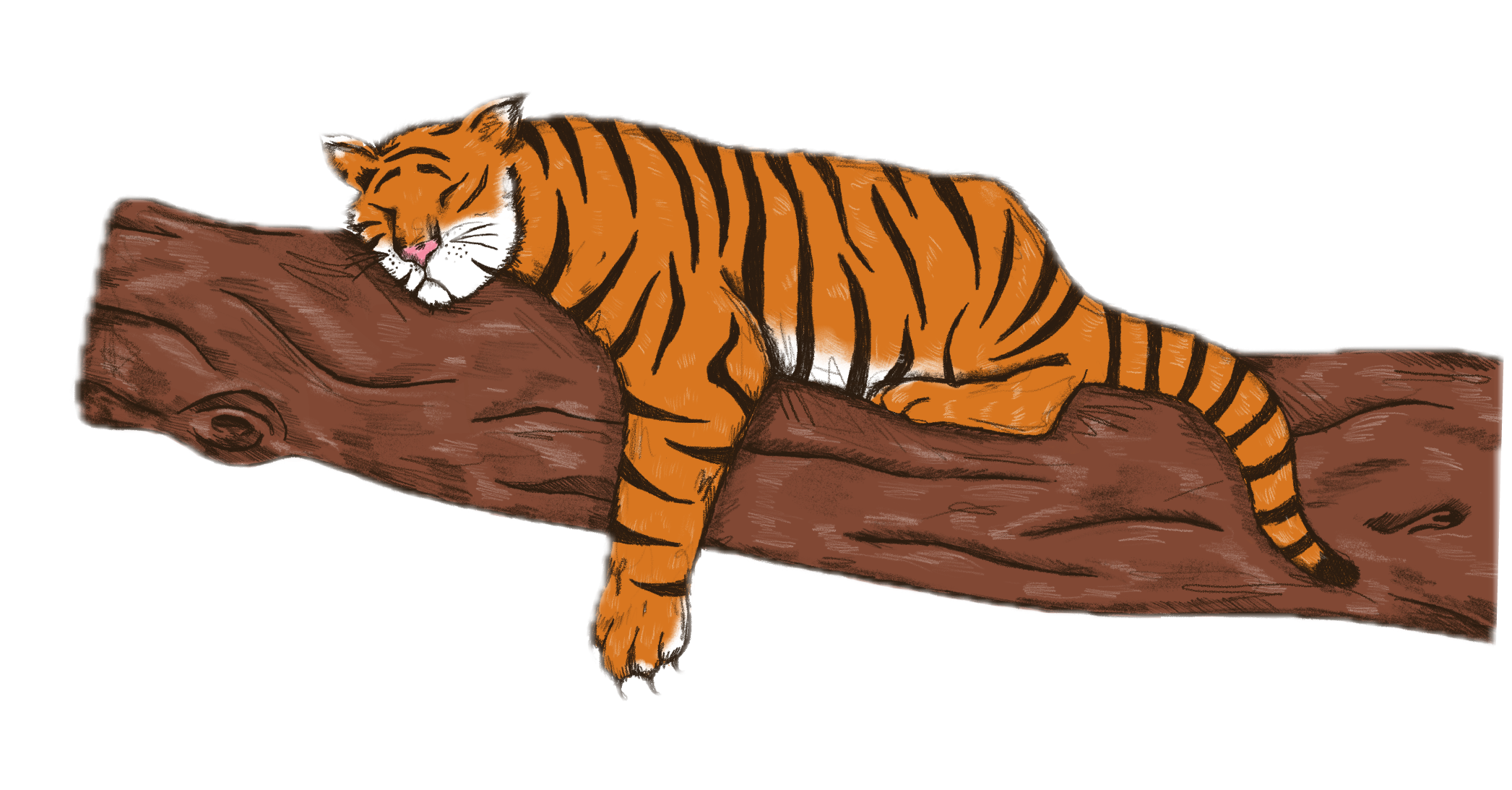
There are, broadly speaking, two types of problem. The first can be solved with a little thought, a bit of patience, and perhaps a cup of tea. The second involves a grumpy Bank Manager, a set of lost keys, and a tiger enclosure. When we arrived to work with Year 4’s Dolphin Class at Beaminster St Mary’s Academy, it was immediately clear which type we were dealing with.
It was a real shame, because instead of arriving to say hi to the class, as they’d promised, the Bank Manager, in a moment of questionable judgement, had climbed into the enclosure at the zoo to retrieve their keys. They were now, unsurprisingly, stuck, and they needed our help. Not our rescuing skills exactly, so much as our instructional ones. What followed was less a lesson in writing and more an exercise in controlled urgency. The class were tasked with producing a survival guide—a clear, precise set of steps that might, just might, see her safely out of danger.
The pupils worked together well, and used all of their prior learning to construct a clear, concise set of instructions to help the Bank Manager escape from this stickiest of situations. Each step had to be logical, usable, and, above all, effective. What emerged was a collection of guides that were as inventive as they were practical. And underlying it all was an important realisation: writing has consequences. Instructions are not just words—they are actions waiting to happen.
Thanks to all the staff at Beaminster St Mary’s and to our Marvellous Mentors, Raja, Diana, Susan, Mia and Philippa, who gave up their time to support these young writers.
The guide was beautifully illustrated by Katie Upton, who provided the perfect pictorial accompaniment to this careful, concise set of survival instructions. Whether the Bank Manager ultimately followed them is another matter entirely.